


Continuous Glucose Monitoring, Explained
Continuous Glucose Monitoring, Explained
Imagine being able to see your blood sugar the way you glance at the time, a quick look that tells you exactly where things stand, right now. That is more or less what a continuous glucose monitor does. Instead of the single snapshot you get from a fingerstick, it gives you a running picture of your blood sugar throughout the day and night. For a lot of people with diabetes, that shift, from occasional glimpses to a continuous view, changes how manageable the whole thing feels.
If you have heard the term CGM and were not quite sure what it meant, this is your plain-language guide.
What a continuous glucose monitor actually is
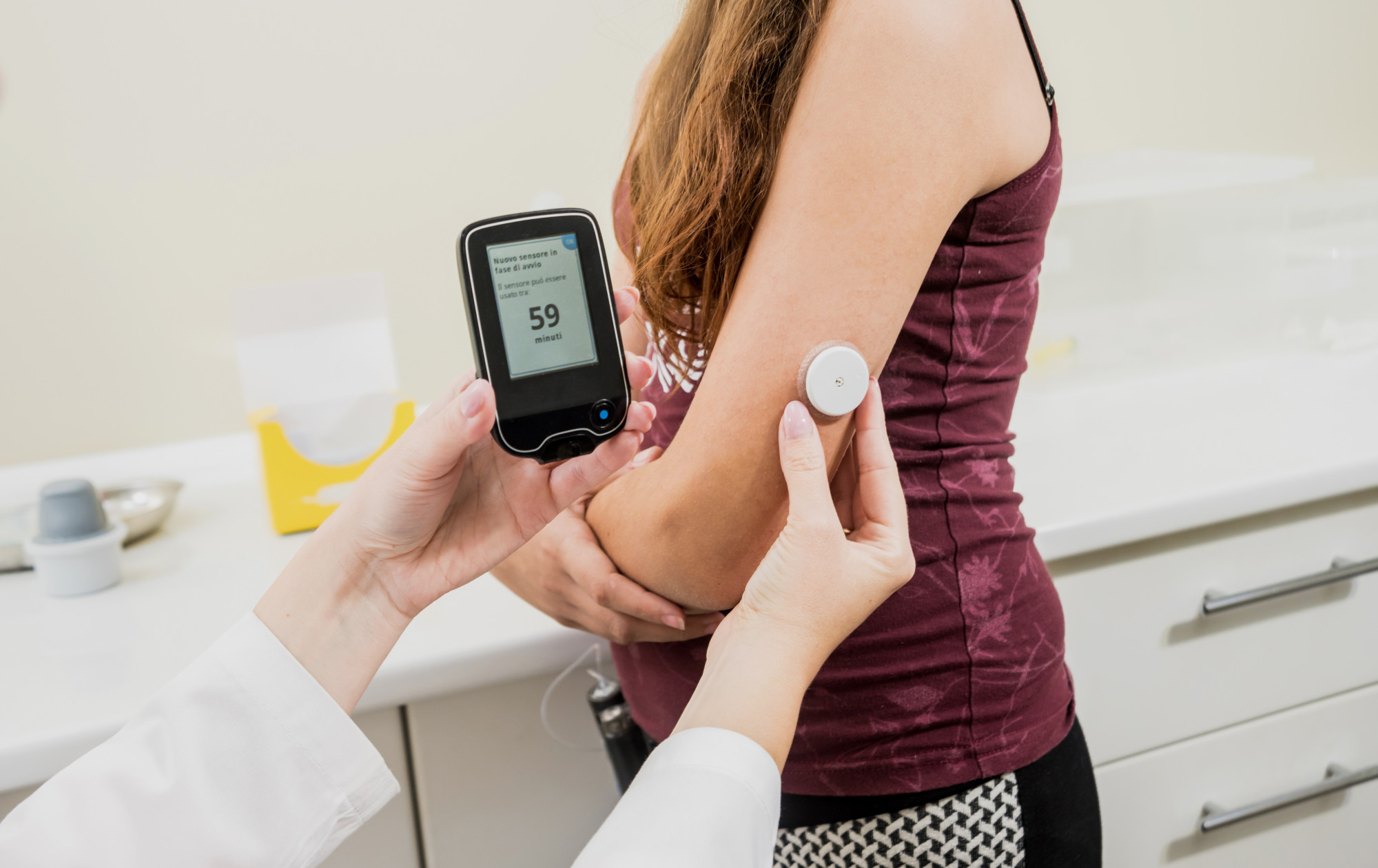
A continuous glucose monitor, or CGM, is a small wearable device. A tiny sensor sits just under the skin, usually on the arm or the abdomen, and measures the glucose in the fluid between your cells every few minutes. It sends those readings to a receiver or, often, straight to your phone. You end up with a live number and, just as usefully, a trend line showing whether your blood sugar is steady, rising, or falling.
The sensors are small and designed to be worn comfortably for several days to a couple of weeks before being replaced, depending on the system. The two most widely used systems come from Dexcom and Abbott, and a provider can help you understand which might fit your needs, your insurance, and your preferences.
How it is different from a fingerstick meter
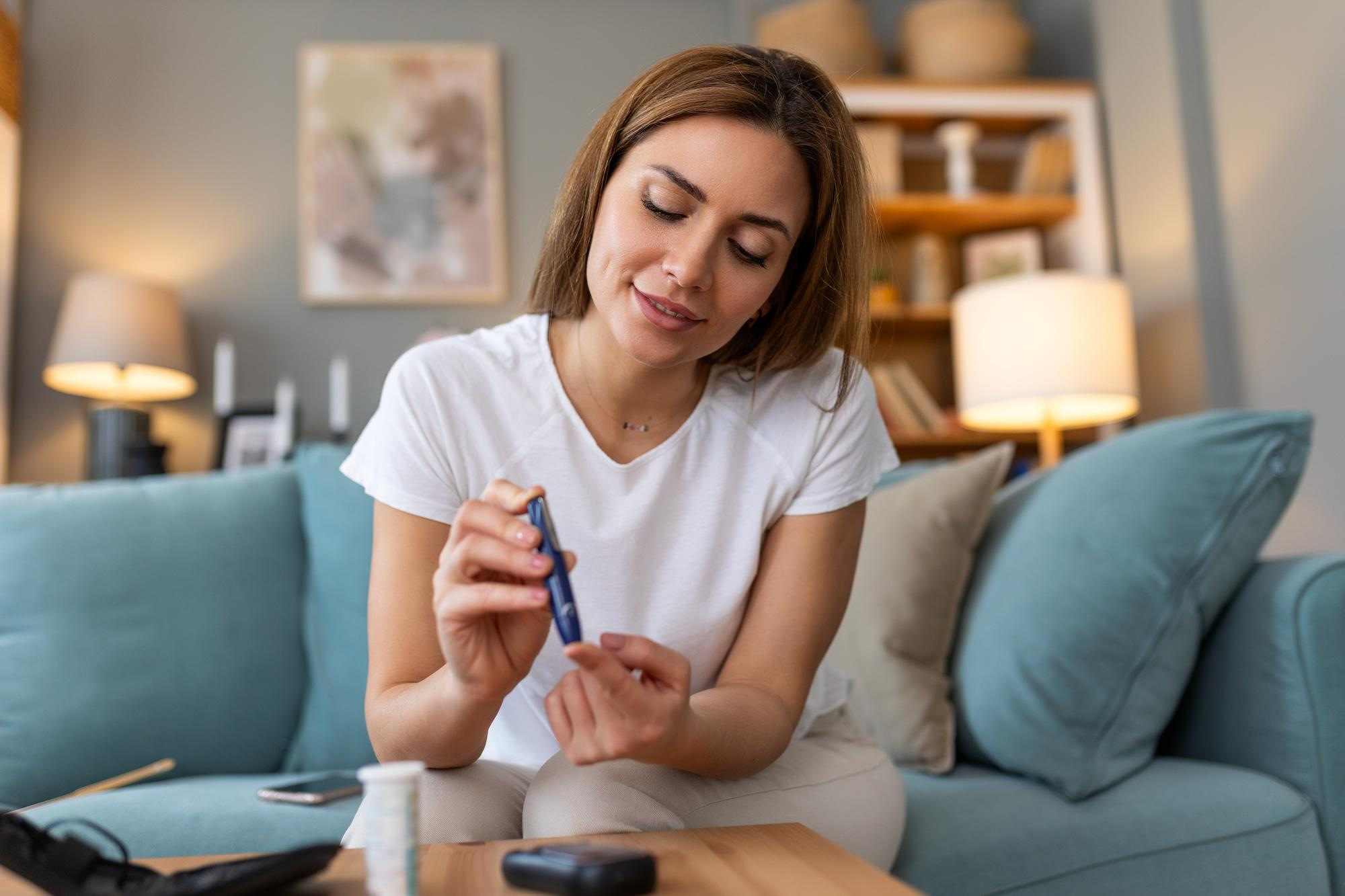
A traditional blood glucose meter gives you one accurate reading at the moment you test. That is genuinely useful, but it is a single dot on a graph. You see where you are, but not where you have been or where you are heading.
A CGM connects the dots. Because it reads continuously, you can see the whole shape of your day: the climb after breakfast, the dip during an afternoon walk, the overnight stretch you would otherwise never witness. That trend information is where a lot of the value lives. A number that reads 150 means one thing if it is holding steady and something quite different if it is climbing fast, and only a continuous view shows you which.
What people find most useful about it
The first thing many people notice is how much they learn about their own body. That lunch you thought was harmless turns out to spike you every time. That evening walk really does keep your numbers flat. Seeing cause and effect in near real time makes healthy choices feel less like rules and more like experiments with visible results.
The second thing is peace of mind, especially around the lows. Many systems can alert you when your blood sugar is dropping, which is reassuring for anyone who worries about lows, particularly overnight. And the third is simpler than it sounds: less finger pricking. Reducing the number of sticks in a day is a small comfort that adds up.
Who might benefit from a CGM
Continuous glucose monitoring is not only for one kind of patient. People who use insulin often find it especially valuable, because it helps them fine-tune their management and catch lows early. But plenty of people managing type 2 diabetes benefit too, using the insights to understand how food, activity, sleep, and stress move their numbers. Even for someone who is not on insulin, seeing those patterns can be motivating and clarifying.
Whether a CGM is right for you depends on your situation, your goals, and practical factors like coverage. That is a conversation worth having with a provider who can look at the whole picture with you.
Making the data work for you
A CGM produces a lot of information, and the goal is insight, not overwhelm. You do not need to stare at your phone all day. The real power comes when you and your care team review the patterns together, spotting the trends that matter and adjusting your plan accordingly. The device shows you what is happening. A knowledgeable provider helps you understand why, and what to do about it. That partnership is where a stream of numbers turns into better control.
What wearing one is actually like
People are often surprised by how unobtrusive a CGM is once it is on. The sensor is small, sits flush against the skin, and most people forget it is there within a day. You can shower with it, sleep on it, and go about normal activity. Every so often you replace it with a fresh one, and the readings pick right back up.
Checking your number is as simple as glancing at your phone or receiver. Over time, most people settle into looking at it at natural moments, before a meal, before a walk, before bed, rather than staring at it constantly. The goal is insight, not obsession, and a good care team will help you find that balance so the device informs your day instead of ruling it.
A few honest limitations
A CGM is a wonderful tool, but it is worth knowing its edges. The reading comes from the fluid between your cells rather than directly from your blood, so there can be a short lag, especially when your blood sugar is changing quickly. That is why occasional fingerstick checks still have a place, particularly if a reading does not match how you feel.
Cost and insurance coverage vary, and not every plan covers a CGM for every situation, which is one more reason it is worth talking through with a provider who can help you sort out what makes sense. None of this outweighs the benefits for the people who need one, but going in with clear expectations makes the experience better.
How Restor uses continuous glucose monitoring
At Restor Diabetes Center, we bring continuous glucose monitoring into a data-driven, personalized approach to diabetes care. We help you understand whether a CGM fits your situation, make sense of the patterns it reveals, and fold those insights into a plan that reflects your real life here in Athens. Rather than leaving you alone with a screen full of numbers, we use the data to fine-tune your care and catch changes early, so your plan keeps pace with your body. It is one more way we help you move from guessing to knowing.
Frequently Asked Questions
Does a continuous glucose monitor hurt? Most people find inserting the sensor quick and nearly painless, and the sensor is designed to be worn comfortably for days at a time.
Do I need diabetes to use a CGM? CGMs are primarily used by people managing diabetes, and whether one is appropriate for you is a conversation to have with your provider.
Is a CGM better than fingerstick testing? It is not so much better as different. A CGM adds continuous trend information that a single fingerstick cannot, though both have their place.
Can Restor help me get started with a CGM? Yes. Our team can help you understand whether continuous glucose monitoring fits your needs and how to use the data well.
Curious Whether a CGM Could Help You?
If you want to understand your blood sugar more clearly, we are glad to talk it through. Call (706) 395-6451 or visit restordiabetescenter.com/contact to request an appointment at our Athens, GA clinic. No referral is needed.
Disclaimer: This article is for educational purposes only and is not a substitute for personalized medical advice, diagnosis, or treatment. Always discuss your individual situation with a qualified health care professional.
More Resources


Take the First Step Toward Better Diabetes Care
From prevention to advanced therapies, we deliver trusted,
compassionate care for every stage of your diabetes.
.avif)