

Type 1 vs Type 2 Diabetes: The Key Differences

Type 1 vs Type 2 Diabetes: The Key Differences
People use the word diabetes as if it is one thing, but type 1 and type 2 are genuinely different conditions that happen to share a name and a symptom. Both involve blood sugar that runs too high, and both deserve real care, but what causes them, who tends to get them, and how they are managed can look quite different. Understanding which is which helps you make sense of your own diagnosis, or simply understand a loved one’s a little better.
Let us lay it out clearly, without the jargon.
The core difference is insulin
Insulin is the hormone that lets sugar move out of your blood and into your cells for energy. The two types of diabetes are really two different problems with that hormone.
In type 1 diabetes, the body’s immune system mistakenly attacks the cells in the pancreas that make insulin, until the body can no longer make enough of it. It is an autoimmune condition, not something brought on by diet or lifestyle. People with type 1 need insulin from an outside source to live, because their bodies simply cannot produce it.
In type 2 diabetes, the body still makes insulin, at least at first, but it does not use it well. This is called insulin resistance. The pancreas works harder and harder to keep up, and over time it can fall behind, which is when blood sugar starts to climb. Type 2 is far more common, and it develops through a mix of genetics, and factors that build over time.
That single distinction, a body that cannot make insulin versus a body that cannot use it well, is the root of most of the other differences.
Who tends to get each, and when
Type 1 often appears in childhood or young adulthood, though it can show up at any age, sometimes surprising people well into adulthood. It usually comes on relatively quickly, over weeks, with noticeable symptoms.
Type 2 is more common in middle-aged and older adults, although it is increasingly seen in younger people too. It tends to develop slowly and quietly, often over years, which is why so many people have it for a long time before they know. That slow, silent onset is exactly why routine screening matters so much for type 2.
How the symptoms compare
Both types can cause increased thirst, frequent urination, fatigue, and blurry vision, because the underlying issue, high blood sugar, is the same. The difference is often in the pace. Type 1 symptoms usually arrive fast and hard to ignore. Type 2 symptoms can be so gradual that people chalk them up to getting older or being busy, and never connect the dots until a routine test does it for them.
How each is managed
Here is where care diverges. Because people with type 1 do not make insulin, insulin therapy is essential for them, along with careful monitoring of blood sugar and thoughtful attention to food and activity.
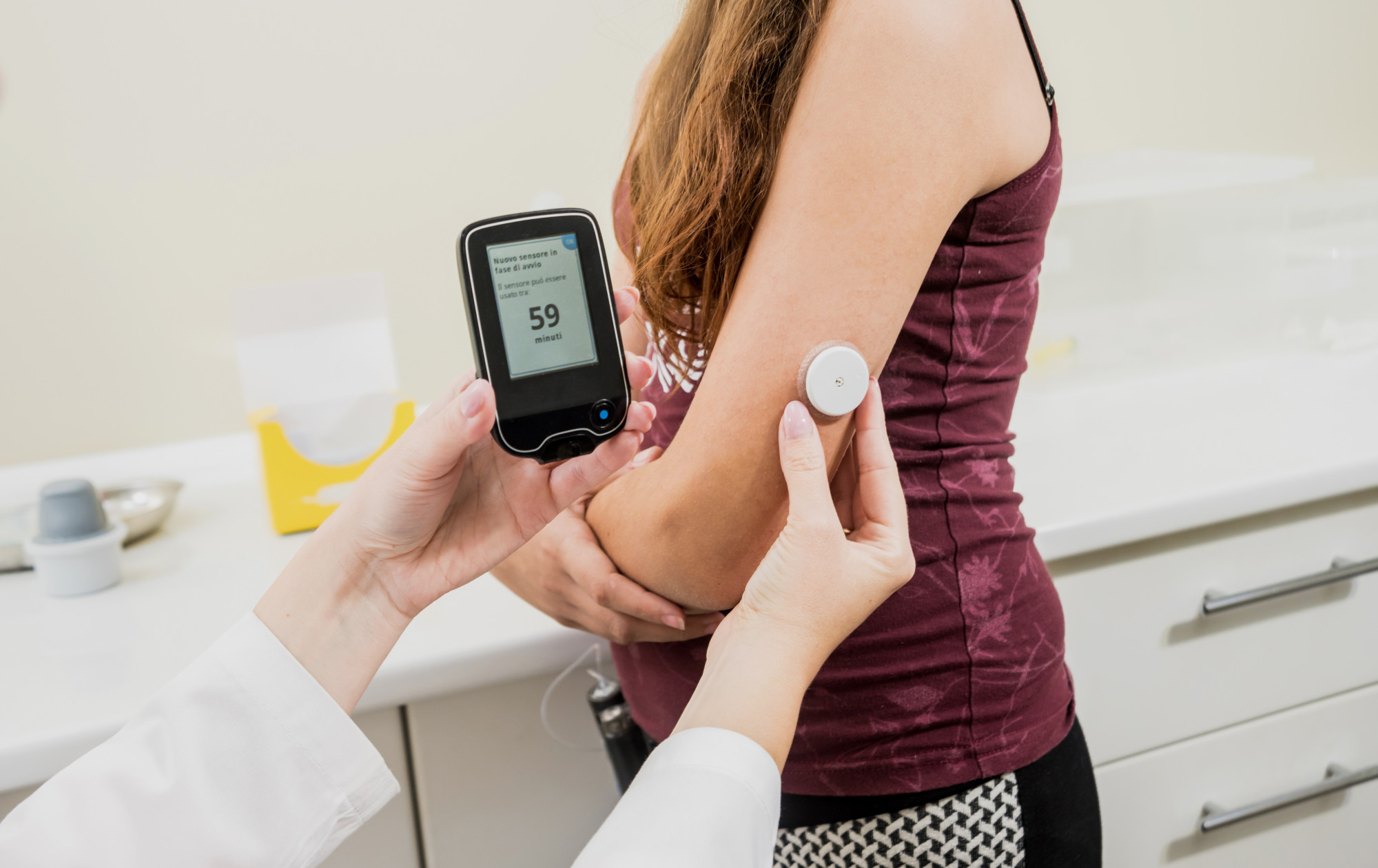
Type 2 is managed on more of a spectrum. Many people start with lifestyle changes like nutrition, movement, and weight management, and add medication when needed. Because type 2 is tied so closely to how the body uses insulin, addressing insulin resistance and overall metabolic health is a big part of the picture. Monitoring, whether with a meter or a continuous glucose monitor, helps guide the plan for both types.
The point is not that one type is easier or harder. It is that they call for different tools, and good care means matching the tools to the condition and to the person.
What about prediabetes and other types?
You may also hear about prediabetes, which is when blood sugar is higher than normal but not yet in the diabetes range. Prediabetes is a warning sign and an opportunity, because it often responds well to early action before it progresses to type 2. There are also less common forms of diabetes, including the kind that appears during pregnancy, which is why an accurate diagnosis from a knowledgeable provider matters. The label guides the plan.
Why getting the right diagnosis matters
Because type 1 and type 2 are managed differently, being clear about which you have is not a technicality, it shapes your entire care plan. A good provider looks at your history, your symptoms, your age, and your lab results together to get it right, and revisits it if the picture is unusual. If you have been told you have diabetes but you are not fully clear on the type or what it means for you, that is a completely reasonable thing to ask about.
A few myths worth clearing up
Diabetes comes with a lot of folklore, and some of it does real harm. A few worth setting straight.
“You got diabetes from eating too much sugar.” Not quite. Sugar alone does not cause diabetes. Type 1 is autoimmune and has nothing to do with diet, and type 2 develops from a mix of genetics and factors that build over time. Blaming sugar oversimplifies a complicated condition and heaps guilt where it does not belong.
“Only people who are overweight get type 2.” Carrying extra weight raises the risk, but plenty of people at a healthy weight develop type 2, and plenty of people who carry extra weight never do. Genetics and family history matter a great deal.
“If you feel fine, your diabetes is under control.” Blood sugar can run high for a long time without any symptoms at all. Feeling fine is wonderful, but it is not the same as good control, which is exactly why regular testing matters.
“Diabetes is not that serious.” It is serious, and it is also very manageable. Both things are true at once. Taken seriously and managed well, diabetes lets people live long, full, active lives.
Clearing out the myths matters because they shape how people act. Someone who believes they caused their diabetes may feel too ashamed to seek help, and someone who thinks feeling fine equals being fine may skip the visits that keep them well. The truth is kinder and more useful.
How Restor cares for both
At Restor Diabetes Center, we provide diabetes management for type 1, type 2, and prediabetes, right here in Athens. That means we take the time to understand your specific condition and build care around it, rather than treating diabetes as one generic thing. Whether you are living with type 1, navigating type 2, or trying to head off prediabetes, our team focuses on your blood sugar, your goals, and your day-to-day life, with clear guidance and no referral needed to begin.
Frequently Asked Questions
Is type 1 or type 2 diabetes more serious? Both are serious and both are very manageable with good care. They are simply different conditions that need different approaches.
Can type 2 diabetes turn into type 1? No. They are separate conditions with different causes. Type 2 does not become type 1, though type 2 can progress over time if it is not managed.
Can you have diabetes without symptoms? Yes, especially with type 2, which can develop quietly for years. That is why routine screening is so important.
Does Restor treat both type 1 and type 2? Yes. We provide diabetes management for type 1, type 2, and prediabetes in Athens, GA.
Have Questions About Your Diagnosis?
If you want a clear explanation of your diabetes and a plan built around it, we are glad to help. Call (706) 395-6451 or visit restordiabetescenter.com/contact to request an appointment at our Athens, GA clinic. No referral is needed.
Disclaimer: This article is for educational purposes only and is not a substitute for personalized medical advice, diagnosis, or treatment. Always discuss your individual situation with a qualified health care professional.
More Resources



Take the First Step Toward Better Diabetes Care
From prevention to advanced therapies, we deliver trusted,
compassionate care for every stage of your diabetes.
.avif)