


Free A1C Test in Athens, GA at Restor Diabetes Center
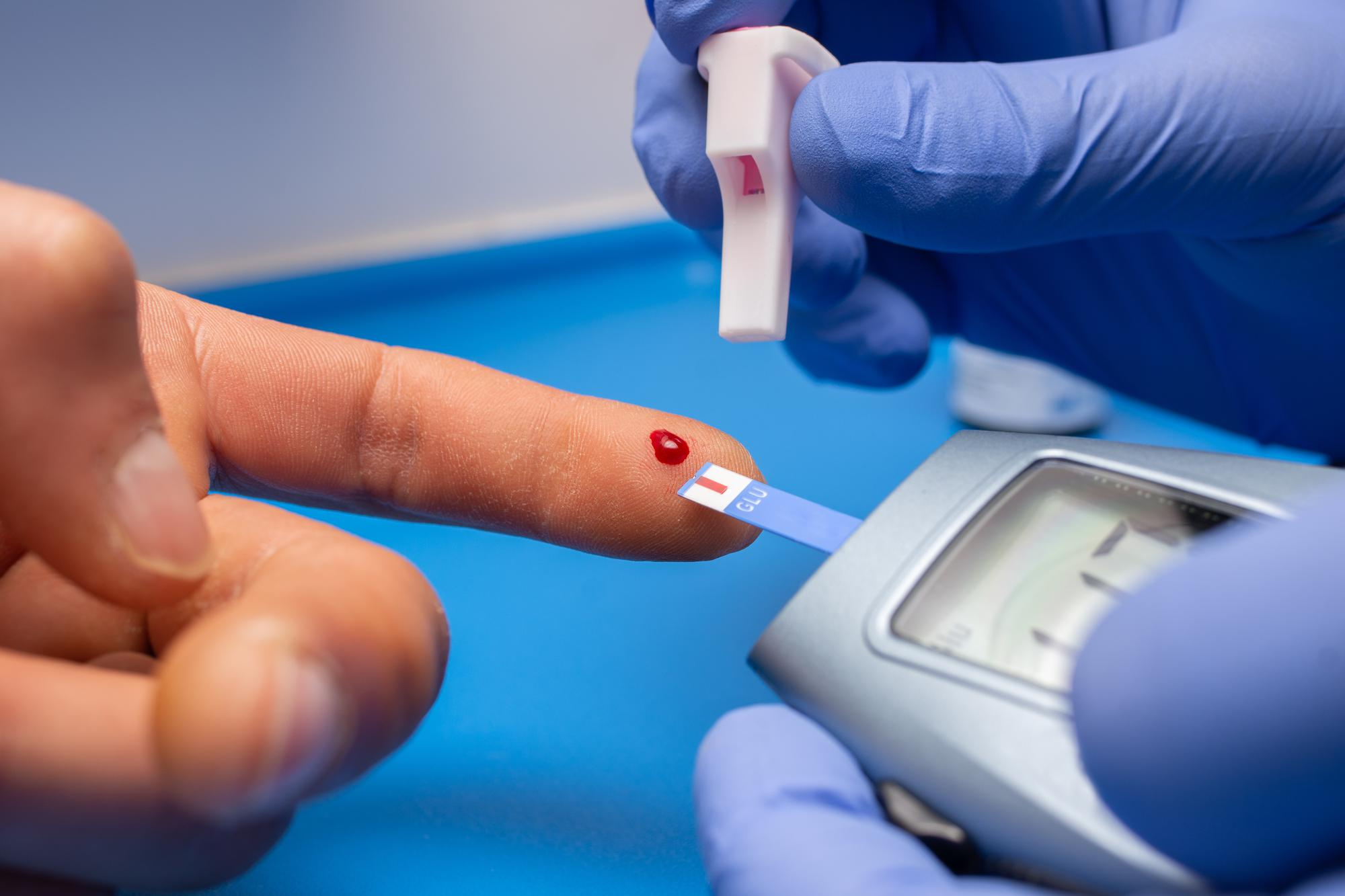
If you are worried about diabetes or prediabetes, getting an A1C test in Athens, GA is one of the simplest, fastest ways to understand your risk and start taking control of your health. The A1C test measures your average blood sugar over the past two to three months, and it is the same test used to screen for prediabetes and diagnose diabetes. At Restor Diabetes Center, that test is free, and you do not need a referral to get it.
This guide explains what the A1C test actually measures, what your number means, why early detection matters, and what happens after your test at our diabetes clinic in Athens. The goal is simple: to help you walk in informed and walk out with a clear plan instead of a confusing lab result.
Why an A1C Test in Athens, GA Matters
The A1C test is recognized as a core tool for diagnosing prediabetes and diabetes and for monitoring how well treatment is working over time. It is reliable, convenient, and it does not require fasting, so you can get tested at almost any time of day without rearranging your schedule.
Based on standard guidelines, the typical A1C ranges are:
- Normal: below 5.7%
- Prediabetes: 5.7% to 6.4%
- Diabetes: 6.5% or higher, usually confirmed with a repeat test
Because A1C reflects your average blood sugar over several months, it is often more useful than a single fingerstick reading when deciding whether you need additional testing, lifestyle changes, or formal diabetes management. A one-time glucose check can be thrown off by what you ate that morning, stress, illness, or even a poor night of sleep. A1C looks past the daily noise and shows the longer trend, which is exactly what you and your care team need to make good decisions.
Free A1C Testing at Restor Diabetes Center
Restor Diabetes Center offers a FREE A1C test at our diabetes clinic in Athens, GA, located at 304 S Milledge Ave, Ste. 101, Athens, GA 30605. No referral is required, so you can book directly if you are concerned about your numbers or if you have risk factors such as excess weight, a family history of diabetes, high blood pressure, or a prior borderline result.
An A1C test with our Athens team gives you:
- A clear picture of your average blood sugar over the past two to three months.
- A starting point for deciding whether you fall in the normal, prediabetes, or diabetes range.
- A baseline to track your progress if you begin medical weight loss, insulin resistance therapy, or diabetes treatment.
Just as important as the number is what comes next. Many people get a lab result and are left to interpret it alone. At Restor, our team connects your result to a full care plan in plain language, so you leave understanding not only where you stand but what specific steps make sense for you.
What the A1C Test Actually Measures
The A1C test measures the percentage of your hemoglobin, the oxygen-carrying protein in red blood cells, that has sugar attached, which reflects your average blood sugar over the past two to three months. Certain conditions, such as some forms of anemia, recent blood loss, or pregnancy, can affect accuracy, which is one more reason to have a provider interpret your number alongside your full health history.
For a deeper walkthrough of how A1C works and what each range means, see our companion guide, A1C Explained.
Who Should Get an A1C Test?
Testing is generally recommended for all adults beginning at age 35, and earlier for younger adults who are overweight or have additional risk factors. You may want to get tested sooner if any of the following apply to you:
- A family history of type 2 diabetes.
- Excess weight, especially around the midsection.
- High blood pressure or abnormal cholesterol.
- A history of gestational diabetes or having delivered a baby over nine pounds.
- A sedentary lifestyle or limited physical activity.
- Symptoms like increased thirst, frequent urination, fatigue, or slow-healing cuts.
If you recognize yourself in this list, a free A1C test is a low-friction, no-cost way to find out where you stand long before symptoms become serious.
Early Detection: Prediabetes and Diabetes Risk
Before most people develop type 2 diabetes, they pass through a stage called prediabetes, where blood sugar is higher than normal but not yet high enough to be classified as diabetes. Prediabetes often has no obvious symptoms, which is exactly why testing matters. Many people have it and do not know.
An A1C of 5.7 to 6.4% is considered prediabetes, and 6.5% or higher suggests diabetes when confirmed. The encouraging news is that prediabetes is frequently reversible. Research shows that lifestyle changes, including modest weight loss and regular moderate activity, can reduce the risk of developing type 2 diabetes by about 58% in people with prediabetes. Catching it early genuinely changes outcomes.
At Restor Diabetes Center, catching prediabetes early lets us pair your free A1C test with practical, personalized support:
- Nutrition guidance tailored to Southern and Athens-area food culture, not generic meal plans.
- Activity plans that fit your real schedule, whether you are a student, a professional, or balancing a busy family.
- Medical weight loss and insulin resistance therapy when appropriate.
Athens and Real-Life Diabetes Risks
Diabetes risk is not just about individual choices. It is shaped by the community you live in. Athens and the greater Athens-Clarke County area face real challenges with food access. Roughly one in five residents of Athens-Clarke County are at risk of hunger (Feeding America, Map the Meal Gap), and food insecurity is linked with higher rates of diabetes, heart disease, and hypertension.
For many people in the Athens area, that can mean:
- More reliance on low-cost, high-carbohydrate, processed foods.
- Less day-to-day consistency in balanced meals and portion sizes.
- Higher stress, which can itself push blood sugar upward.
On top of that, summers in Athens are hot and humid. Heat can complicate diabetes management by raising the risk of dehydration and blood sugar swings during outdoor activity, and some glucose meters and medications are sensitive to high temperatures. Having a local care team in Athens that understands these conditions makes it far easier to build a plan that actually works in our climate and our community, not one designed for somewhere else.
What Happens After Your A1C Test?
An A1C test is only useful if you understand what to do with the result. A1C is used not only for diagnosis but also for ongoing monitoring of diabetes and prediabetes. Depending on your number, our care team may recommend:
- Normal range: continue healthy habits, schedule periodic rechecks, and watch for changes in your risk factors over time.
- Prediabetes range: focused lifestyle changes, medical weight loss support, and closer monitoring to prevent progression to type 2 diabetes.
- Diabetes range: comprehensive diabetes management, including confirmatory testing, medication planning, glucose monitoring, and regular follow-up.
We explain your numbers in plain language and connect them to your daily habits, including meals, work, classes, sleep, and stress, so your care plan feels grounded in real life rather than theoretical. You should never leave a visit unsure of what your result means or what the next step is.
How Restor's Services Fit Together
Restor Diabetes Center is not just offering a quick lab test. Our services are designed to work together around your A1C and other lab results, so care is coordinated rather than fragmented:
- Diabetes management (type 1, type 2, prediabetes): individualized treatment plans, including medication, nutrition, monitoring, and complication prevention.
- Insulin resistance therapy: an in-clinic, infusion-based treatment paired with personalized planning and monitoring, discussed with a provider on an individual basis.
- Diabetic wound care: care for slow-healing wounds, especially on the feet and lower legs, emphasizing glucose control, infection management, and offloading pressure.
- Medical weight loss: structured, provider-guided programs where even a 5 to 7% weight reduction can significantly lower diabetes risk in people with prediabetes.
- Peptide infusions: an advanced option tailored to individual needs and discussed case by case rather than presented as a stand-alone solution.
Every piece starts with understanding your baseline, and that often begins with a simple, no-cost A1C test at our diabetes clinic in Athens, GA.
Frequently Asked Questions
Is the free A1C test really free?
Yes. Restor Diabetes Center offers a free A1C test with no referral required. You can call or request an appointment online to schedule your test, and we will walk you through what the results mean.
How long does an A1C test take?
The A1C test is a simple blood draw from your arm or a fingerstick. It usually takes just a few minutes, and fasting is not required.
How often should I repeat my A1C in Athens, GA?
A common guide is testing at least every three years if your result is normal, every year if you have prediabetes, and at least twice a year if you have diabetes. Your Restor care team will recommend a schedule based on your situation.
Should students and younger adults get an A1C test?
Testing is recommended for adults beginning at age 35, and for younger adults who are overweight with additional risk factors. If you are a student or young professional with a family history, recent weight gain, or other risk factors, a free A1C test is a low-friction way to check your status.
What if my A1C is in the diabetes range?
If your A1C is 6.5% or higher on confirmatory testing, that is in the diabetes range. Restor's team will discuss additional lab work, formal diagnosis, and a personalized treatment plan, which may include diabetes management, medical weight loss, and insulin resistance therapy.
Ready to Know Your Numbers?
If you are ready to know your numbers and get clear, local guidance, schedule your free A1C test at Restor Diabetes Center today.
Ready to take the next step? Call (706) 395-6451 or visit restordiabetescenter.com/contact to request an appointment at our Athens, GA clinic. No referral needed.
Disclaimer: This article is for educational purposes only and is not a substitute for personalized medical advice, diagnosis, or treatment. Always discuss your individual situation with a qualified health care professional.
More Resources



Take the First Step Toward Better Diabetes Care
From prevention to advanced therapies, we deliver trusted,
compassionate care for every stage of your diabetes.
.avif)