


How to Lower Your A1C in the Next 90 Days

How to Lower Your A1C in the Next 90 Days
Here is something worth holding onto: your A1C is not a permanent grade. It is a snapshot of the last few months, and the next few months are still unwritten. People change their A1C all the time, sometimes by a lot, and they usually do it with steady, ordinary changes rather than anything dramatic. If you have a number you are not happy with, ninety days is a real and honest window to move it.
There is a reason ninety days matters. Your A1C measures how much sugar has attached to your red blood cells, and those cells live for about three months. So the number you get today reflects roughly the last ninety days of your blood sugar. Change what happens over the next ninety, and you change the next result. That is the whole idea, and it is a hopeful one.
Let us walk through what actually helps, in plain terms.
Start by knowing your number and your target
You cannot steer toward a goal you have not named. If you do not know your current A1C, that is the first thing to sort out, and at Restor Diabetes Center your first A1C test is free. Once you know where you stand, a provider can help you set a target that fits your age, your health, and your life. For many adults the goal is to keep A1C below seven percent, but your number might be a little different, and that is fine. The point is to aim at something specific rather than “lower.”
Build your plate before you count anything
Food is the biggest lever most people have, and you do not need a complicated diet to use it. A simple approach works well: fill half your plate with non-starchy vegetables, a quarter with a lean protein, and a quarter with a smart carbohydrate like beans, whole grains, or a small portion of fruit. That shape naturally slows how fast sugar hits your bloodstream.
Two small habits do a surprising amount of good. First, pair your carbohydrates with protein, fiber, or healthy fat instead of eating them alone, so a piece of toast becomes toast with eggs, and an apple becomes an apple with a handful of nuts. Second, watch the liquid sugar. Sweet tea, soda, and even large fruit juices raise blood sugar quickly, and cutting back here often moves the needle faster than anything else on the plate.
You do not have to give up the foods you love. You are just building a plate that keeps your blood sugar steadier through the day.
Move a little, especially after meals
Exercise helps your muscles pull sugar out of your blood, and the timing matters more than the intensity. A ten or fifteen minute walk after a meal can noticeably blunt the blood sugar spike that meal would have caused. You do not need a gym membership or a training plan. Athens gives you plenty of easy options, from the trails at Sandy Creek Nature Center to a loop around your neighborhood after dinner.
If you are just getting started, aim for movement most days and let it grow from there. Consistency beats intensity every time, and a short walk you actually take is worth more than a hard workout you keep skipping.
Do not overlook sleep and stress
This is the part people forget. When you are short on sleep or running on stress, your body releases hormones that push blood sugar up, no matter how carefully you ate. Protecting your sleep and finding small ways to lower stress are not soft extras, they are part of your blood sugar plan. A consistent bedtime, a little time outdoors, and a few minutes of quiet in a busy day all count.
Take your medications as prescribed, and speak up if something is off
If your care plan includes medication, taking it consistently is one of the most reliable ways to bring your A1C down. Missed doses add up quietly. And if a medication is causing side effects, or the cost is a strain, do not just stop, tell your provider. There is almost always an adjustment that keeps you on track without the problem, but we can only help with what we know about.
Keep an eye on your numbers along the way
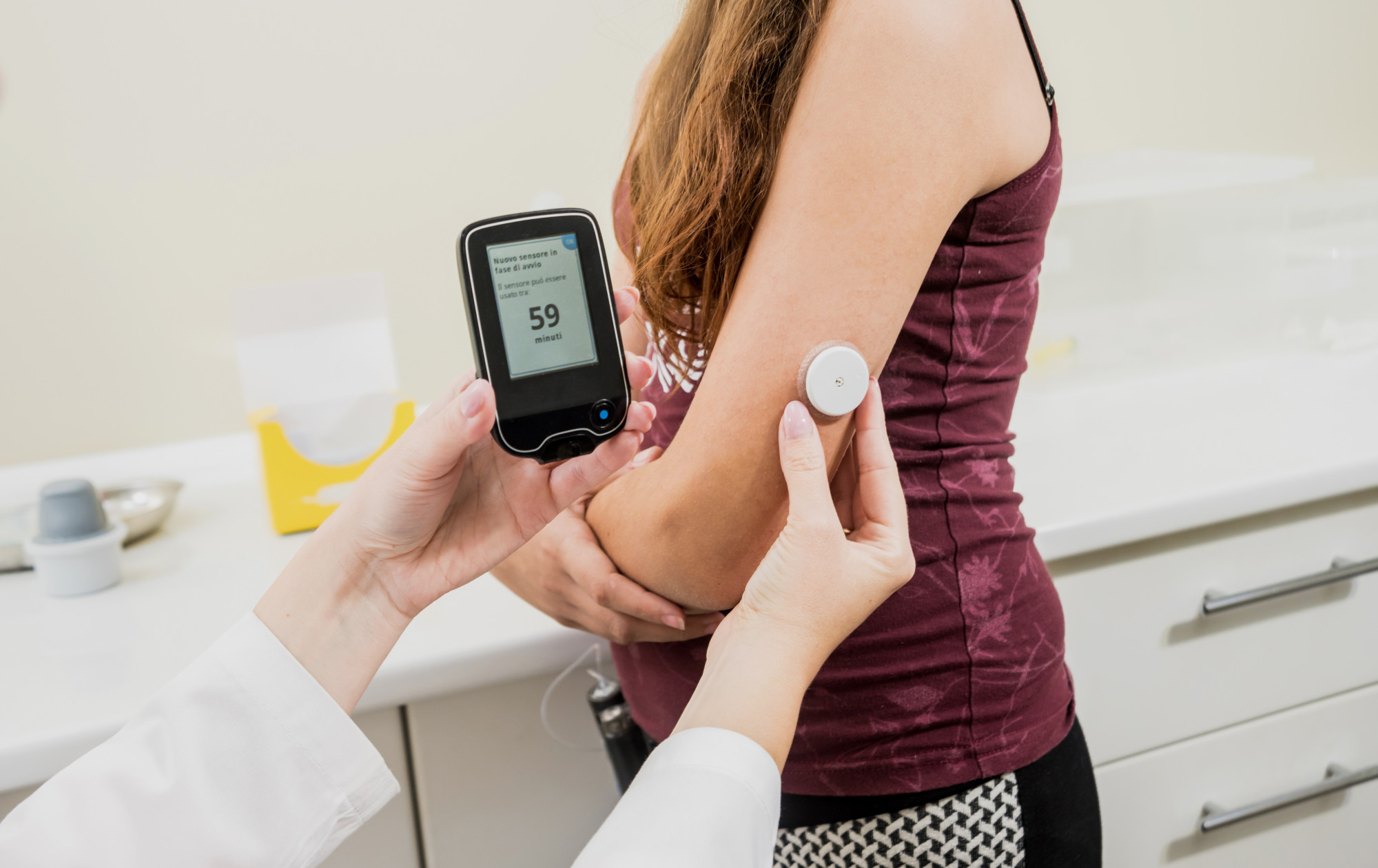
Ninety days is a long time to fly blind. Checking your blood sugar, whether with a meter or a continuous glucose monitor, shows you which meals and habits help and which ones do not. You start to see patterns, like the lunch that always spikes you or the evening walk that keeps you steady. Those small insights are how real change happens, and they make the next lab result feel earned rather than mysterious.
Let your care team do the heavy lifting with you
Trying to manage diabetes alone is exhausting, and you do not have to. A diabetes-focused team can look at your numbers, your routine, and your goals, and help you decide where to put your energy for the biggest payoff. That might mean a small change to your plan, a closer look at your monitoring, or simply a bit of encouragement when the number does not move as fast as you hoped. Progress is rarely a straight line, and having someone in your corner makes the setbacks easier to ride out.
Be kind to yourself on the hard days
Ninety days is long enough that life will get in the way. There will be a birthday, a stressful week at work, a holiday meal, a stretch where the walks just do not happen. That is not failure, that is being a person. The mistake is not the off day, it is letting one off day turn into an off month because you decided you had already blown it.
So plan for the hard days before they arrive. Decide now that a heavy meal is simply one meal, and the next one gets you back on track. Keep a couple of easy, blood-sugar-friendly options on hand for the nights you have no energy to cook. And measure your progress over weeks, not hours, because the A1C you are working toward is an average, which means a single high reading barely moves it.
It also helps to notice the wins that are not on the lab report. More energy in the afternoon. Fewer of those mid-morning crashes. Clothes that fit a little better. Sleeping through the night. These are real signs that your body is responding, and they often show up before the number does. Let them encourage you, because motivation that comes from feeling better tends to last a lot longer than motivation that comes from fear.
What ninety days can look like
Picture it. You start with a number you would rather not see. Over the next three months you build a steadier plate, take a short walk after dinner most nights, protect your sleep a little more fiercely, stay consistent with your plan, and check in with a team that actually knows you. You do not do any of it perfectly, because nobody does. But you do it often enough, and when you sit down for your next A1C, the number has moved in the right direction. That is not a fantasy. That is just what happens when small, repeatable habits stack up over the window your body actually measures.
Frequently Asked Questions
How much can I lower my A1C in three months? It varies from person to person, and your starting point matters. Some people see a meaningful drop in one three month window, while others move more gradually. The goal is steady progress in the right direction, and your provider can help you set a realistic target.
What lowers A1C the fastest? For many people, cutting back on sugary drinks, building balanced plates, walking after meals, and staying consistent with any prescribed medication move the number the most. Small changes you can keep beat big changes you cannot.
Do I need to check my blood sugar every day? Not necessarily, but some checking helps you see what works. Your provider can recommend a schedule, or discuss whether a continuous glucose monitor would make sense for you.
Where can I get my A1C tested in Athens, GA? You can get a free A1C test at Restor Diabetes Center, with no referral required. It is a quick way to know your starting point.
Ready to Move Your Number?
If you want a clear starting point and a plan that fits your life, we would love to help. Call (706) 395-6451 or visit restordiabetescenter.com/contact to request an appointment at our Athens, GA clinic. Your first A1C test is free, and no referral is needed.
Disclaimer: This article is for educational purposes only and is not a substitute for personalized medical advice, diagnosis, or treatment. Always discuss your individual situation with a qualified health care professional.
More Resources



Take the First Step Toward Better Diabetes Care
From prevention to advanced therapies, we deliver trusted,
compassionate care for every stage of your diabetes.
.avif)