


Newly Diagnosed With Type 2 Diabetes: Your First 30 Days
Newly Diagnosed With Type 2 Diabetes: Your First 30 Days
If you have just been told you have type 2 diabetes, take a breath. The day of a diagnosis can feel like a lot all at once, a mix of worry, questions, and maybe a little guilt that has no business being there. So before anything else, here is what we want you to know: this is manageable, you have more control than it feels like right now, and you do not have to figure it out alone. Millions of people live full, active lives with type 2 diabetes, and your first thirty days are simply about getting your footing.
Let us make that first month feel less like a cliff and more like a set of steps.
Week one: understand what is actually happening
Type 2 diabetes means your body has trouble using insulin well, so sugar builds up in your blood instead of moving into your cells for energy. That is it. It is not a moral failing, and it is not something you caused by being a certain kind of person. It develops for all sorts of reasons, including genetics you never chose.
In this first week, the most useful thing you can do is get clear, trustworthy information rather than falling down a late night internet hole. Write down your questions as they come to you, even the ones that feel small, and bring them to your care team. A good provider will welcome every one of them.
Week one, also: get your numbers and your baseline
You cannot manage what you have not measured. Early on, your care team will want a clear picture of where you stand, usually starting with an A1C to see your average blood sugar over the last few months. This baseline is not a scorecard. It is a starting line. Once you know it, everything else you do has something to push against, and you will be able to see your progress in black and white down the road.
Week two: build a few simple habits, not a whole new life
The temptation after a diagnosis is to overhaul everything overnight. Please do not. Dramatic changes are hard to keep, and the goal is habits that last. Pick two or three small things and let them settle in.
A steadier plate is a great start: half non-starchy vegetables, a quarter lean protein, a quarter smart carbohydrate. A short walk after meals is another, since movement helps your body use sugar. And easing off sugary drinks often does more good than any single other change. You do not have to be perfect. You just have to start, and then keep going.
Week three: learn your patterns
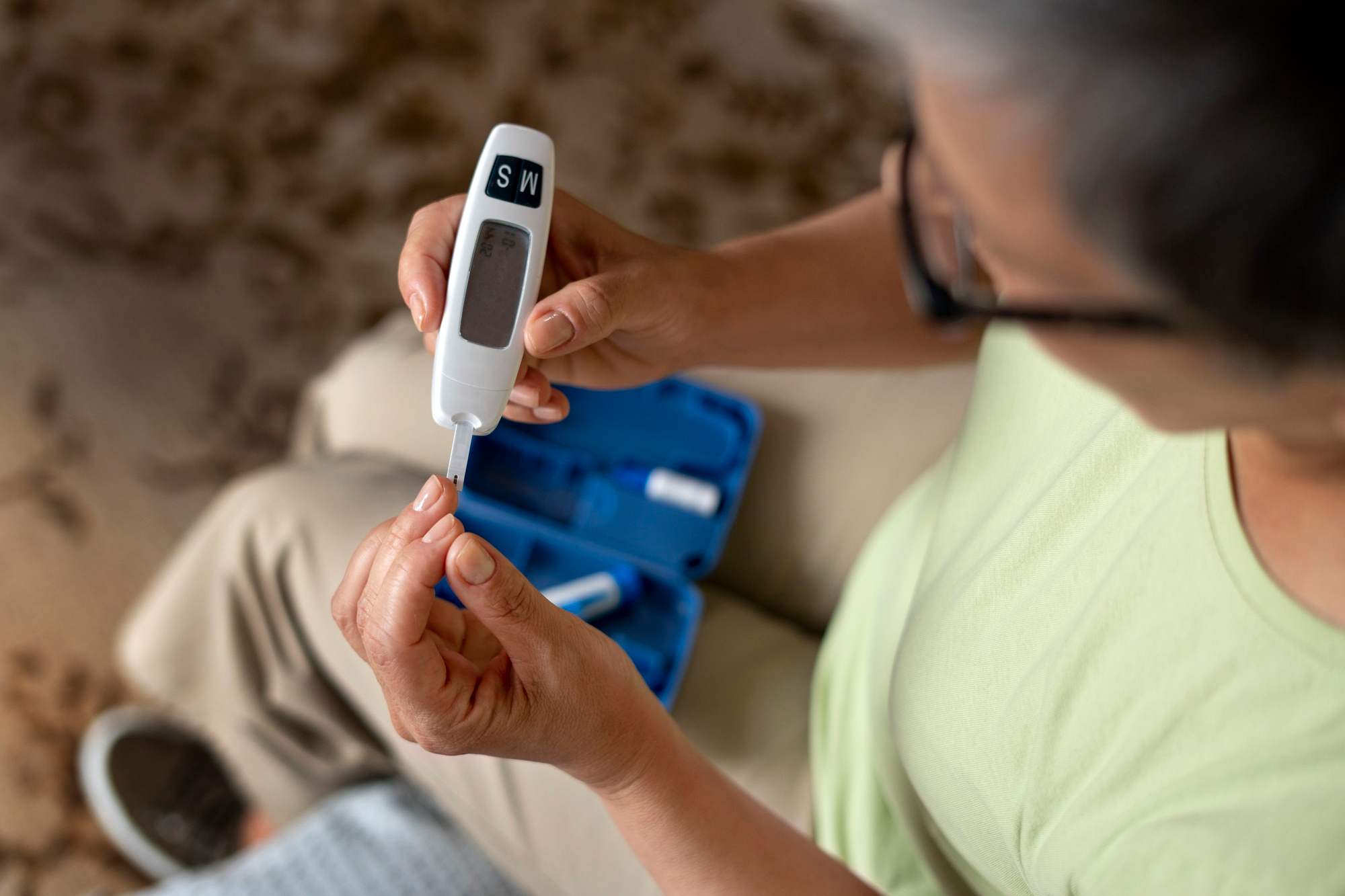
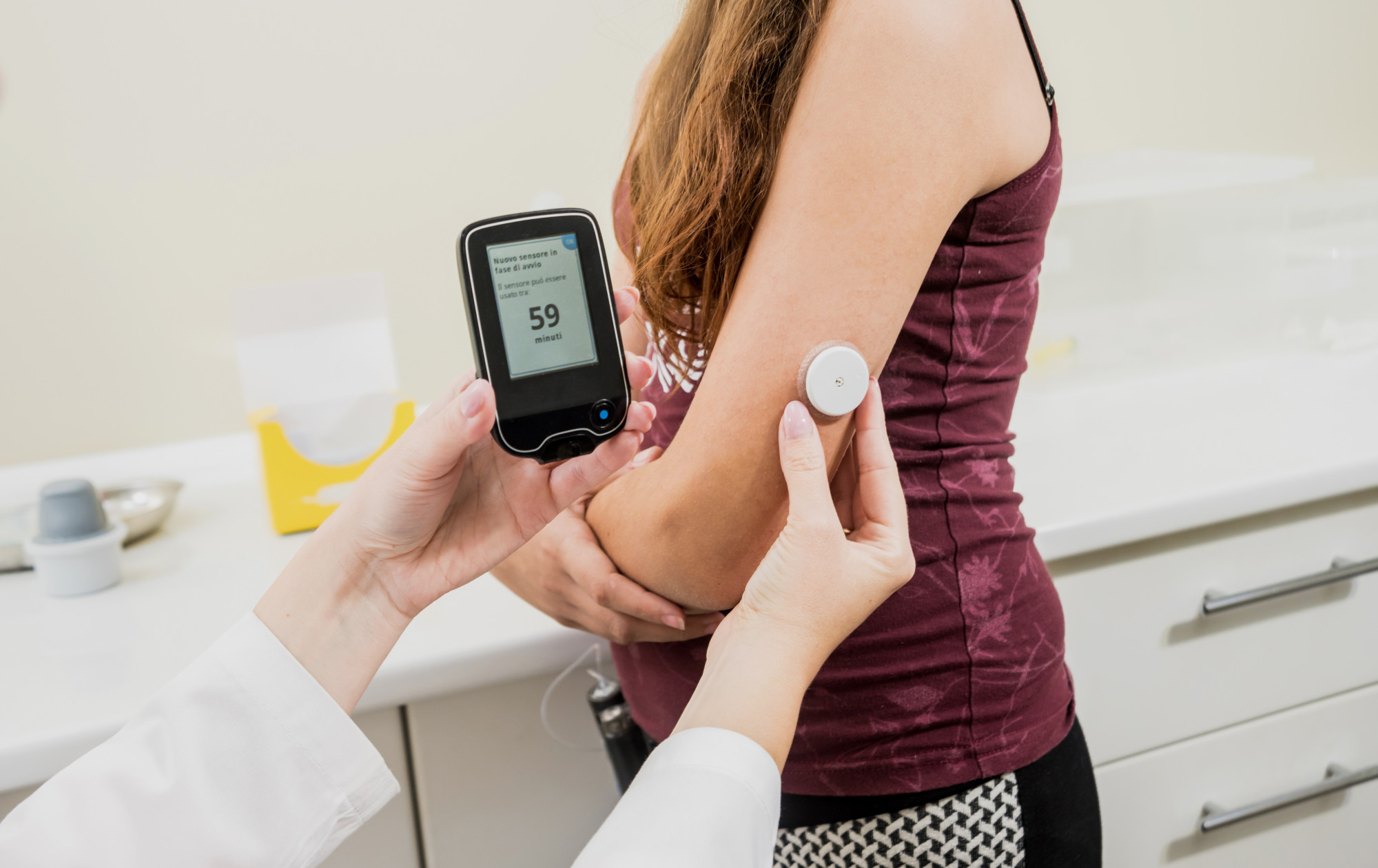
By now you are a couple of weeks in, and this is a good time to start paying attention to how your body responds. If you are checking your blood sugar, notice which meals leave you steady and which ones spike you. If a continuous glucose monitor is part of your plan, the patterns become even clearer. You are not doing this to obsess over numbers, you are doing it to learn your own body, which is genuinely empowering. The meal that surprises you, the walk that helps, these small discoveries turn diabetes from a mystery into something you can work with.
Week four: build your support and your plan
Diabetes is a marathon, not a sprint, and the people who do best are the ones who do not run it alone. By your fourth week, aim to have a care team you trust and a plan that fits your real life. That plan should cover your nutrition, your activity, any medication your provider recommends, and how often you will check in. It should feel doable, not punishing. If it feels punishing, say so, because a plan you dread is a plan you will abandon.
This is also the month to fold in the people around you. Letting your family in on what you are doing, even in small ways, makes the whole thing lighter. A partner who knows what a balanced plate looks like, or a friend who joins you for walks, turns solo effort into shared effort.
A gentle word about the emotional side
Nobody talks enough about this part. A diagnosis can stir up fear, frustration, and grief for the way things were, and all of that is normal. Be patient with yourself. Some days will go well and some will not, and neither kind of day defines you. Progress in diabetes is made of many small, imperfect efforts, not a single flawless stretch. If the emotional weight feels heavy, that is worth mentioning to your care team too, because your mental health is part of your health.
Questions worth bringing to your first visit
Walking into your first real diabetes appointment with a few questions written down makes the whole thing feel less passive and a lot more useful. You do not have to memorize anything, just jot down what matters to you. A good starting list might include:
- What is my A1C, and what number are we aiming for?
- Which small changes would make the biggest difference for me right now?
- Should I be checking my blood sugar at home, and if so, when?
- What foods tend to trip people up that I should watch for?
- What signs mean I should call you sooner rather than wait?
The answers give you a clear, personal starting point instead of a pile of generic advice. And asking them signals something important to your care team: that you want to be a partner in this, not just a patient who nods along. That partnership is where the best outcomes come from.
There are no silly questions here. If something confuses you, from a word on your lab report to why a certain habit matters, say so. Part of a provider’s job is to translate, and the clearer you are about what you do not understand, the better they can help.
How Restor supports you in your first month and beyond
At Restor Diabetes Center, we meet you exactly where you are. For a newly diagnosed patient, that means taking the time to explain your numbers, answer the questions swirling in your head, and build a plan that feels manageable rather than overwhelming. We handle diabetes and metabolic health all day, so you get focused attention on your blood sugar and your goals, right here in Athens, with no referral required to get started. Your first thirty days do not have to be scary. With the right support, they can be the start of feeling more in control than you have in a long time.
Frequently Asked Questions
Is type 2 diabetes reversible? Type 2 diabetes can often be improved a great deal, and some people bring their blood sugar into a healthy range with lifestyle changes and care. Whether that is possible for you depends on your situation, and your provider can talk it through with you.
What should I do first after being diagnosed? Get a clear baseline, usually an A1C, and connect with a care team you trust. From there, start with a few small, steady habits rather than trying to change everything at once.
Do I have to give up all the foods I love? No. The goal is balance and steadier blood sugar, not deprivation. Most foods can fit with the right portions and pairings.
Do I need a referral to be seen? In most cases, no. You can contact Restor Diabetes Center directly to get started, including a free A1C test.
You Do Not Have to Do This Alone
If you are newly diagnosed and want a calm, clear place to start, we are here. Call (706) 395-6451 or visit restordiabetescenter.com/contact to request an appointment at our Athens, GA clinic. Your first A1C test is free, and no referral is needed.
Disclaimer: This article is for educational purposes only and is not a substitute for personalized medical advice, diagnosis, or treatment. Always discuss your individual situation with a qualified health care professional.
More Resources



Take the First Step Toward Better Diabetes Care
From prevention to advanced therapies, we deliver trusted,
compassionate care for every stage of your diabetes.
.avif)