


What Is a Healthy A1C by Age?
What Is a Healthy A1C by Age?
It is one of the most common questions we hear, and it is a good one. You get an A1C result, you see a percentage, and you naturally want to know: is that number healthy for someone my age? The honest answer is that the general ranges are the same for adults regardless of age, but the goal your provider sets for you can shift depending on your age, your health, and what your body needs. Let us untangle that, because the difference matters.
First, the ranges everyone shares
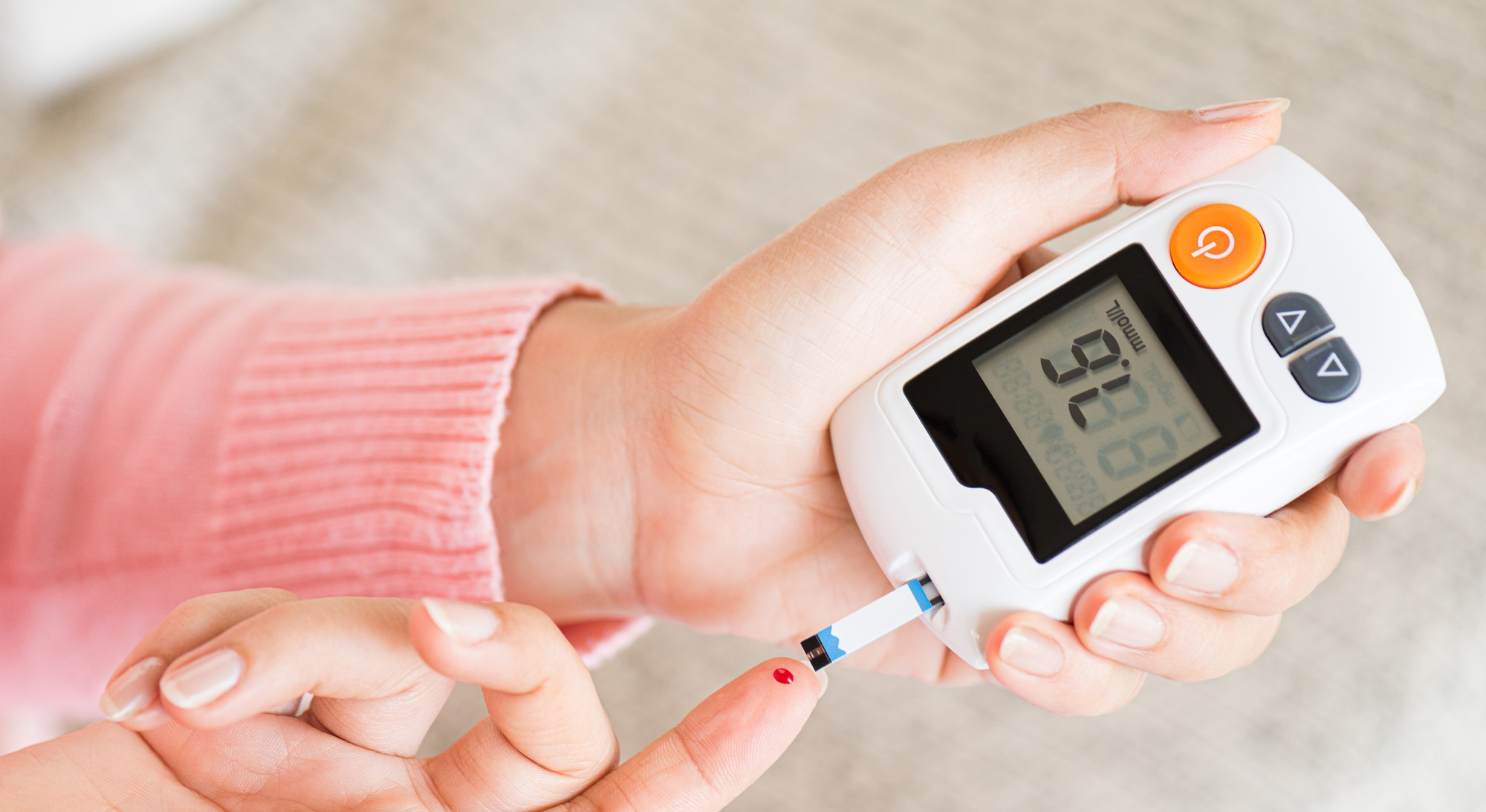
The A1C test gives a percentage that reflects your average blood sugar over the past two to three months. The standard categories look like this:
- Below 5.7 percent is considered normal.
- 5.7 to 6.4 percent falls in the prediabetes range.
- 6.5 percent or higher, usually confirmed with a second test, points to diabetes.
These ranges are used for adults across the board. A 35 year old and a 70 year old are both measured against the same scale. So when you see your number, that is the map you are reading it against.
Now, why the goal can change with age
Here is where age comes in. For a person who already has diabetes, providers set a treatment goal, a number to aim for, and that goal is personalized. For many healthy adults, a common target is to keep A1C below seven percent. But for some older adults, especially those with other health conditions or a history of low blood sugar episodes, a slightly higher goal can actually be safer.
The reason is balance. Pushing blood sugar very low takes effort and sometimes medication, and in certain people that effort carries its own risks, like blood sugar dropping too low. When someone is younger and otherwise healthy, aiming tighter usually makes sense because they have decades ahead and can handle a strict target well. When someone is older or managing several conditions at once, a gentler goal can protect their quality of life without giving up good control. Neither approach is a compromise on care. Both are care, matched to the person.
This is exactly the kind of judgment a provider helps with. Your goal is not something to guess at from a chart. It is a conversation.
What about children and teens?
Younger people with diabetes are usually managed with their own set of goals, guided by a pediatric or specialty team, because growing bodies and changing routines add their own wrinkles. If you are a parent reading this, the takeaway is the same as for adults: the target should be set with a knowledgeable provider, not pulled from a generic number online.
When should you get tested in the first place?
Even if you feel completely fine, testing matters, because high blood sugar often carries no symptoms for a long time. Current guidance recommends that adults begin routine screening at age 35, and earlier for younger adults who carry extra weight or have other risk factors like a family history of diabetes, high blood pressure, or a past borderline result. Athens has plenty of people in exactly that situation, going about their lives feeling normal while their numbers quietly drift. A simple test is how you catch that early.
Reading your own result without spiraling
It is easy to see a number and jump straight to worry. Try to hold it a little more gently. One A1C is a data point, not a verdict. If it is higher than you would like, that is information you can act on, and the earlier you have it, the more room you have to respond. If it is in a healthy range, that is worth celebrating and worth maintaining. Either way, the number is most useful when a provider helps you place it in the context of your full health, rather than reading it alone.
It also helps to remember that A1C has limits. Certain conditions, like some forms of anemia or recent significant blood loss, can affect the result. That is one more reason it is worth having a provider interpret your number rather than treating the percentage as the final word.
A few things that can nudge your A1C
Because A1C measures sugar attached to red blood cells, anything that changes those cells can tilt the result. Certain kinds of anemia, recent blood loss, pregnancy, kidney disease, and some inherited hemoglobin traits can all make an A1C read higher or lower than your true average. None of this makes the test unreliable for most people, it just means the number is best read by a provider who knows your history, rather than taken as gospel on its own.
This is also why your provider may occasionally use other measures alongside A1C, like a fasting glucose or a look at your day-to-day readings, to make sure the whole picture lines up.
Your A1C is one number among several
It is worth remembering that A1C is not the only thing that tells the story of your metabolic health. When you come in, a good provider looks at the fuller picture: your blood pressure, your cholesterol, your weight trend, how you are feeling day to day, and your risk factors for complications. A1C is a powerful summary of your blood sugar, but health is never a single number.
That is actually good news, because it means you have many levers to pull. If one number is stubborn, there are often others moving in the right direction, and a well-rounded plan improves several at once rather than chasing a single figure.
How Restor helps you make sense of your A1C
At Restor Diabetes Center, we do not just hand you a lab result and send you on your way. We walk you through what your number means for you specifically, set a target that fits your age and your health, and build a plan around it in plain language. Whether you are checking in on prediabetes, managing diabetes you have lived with for years, or simply want a baseline, the goal is the same: you should leave understanding your number and knowing your next step.
Frequently Asked Questions
Is a good A1C different for older adults? The measurement ranges are the same, but the personal goal your provider sets can be a little more relaxed for some older adults, especially those with other health conditions, to keep care safe and comfortable.
What is a normal A1C? Below 5.7 percent is considered normal. 5.7 to 6.4 percent is prediabetes, and 6.5 percent or higher suggests diabetes when confirmed.
Should I aim for the lowest A1C possible? Not always. Very tight control is right for some people and not for others. The best target is the one you set with your provider based on your age and health.
When should I start getting my A1C checked? Routine screening is generally recommended starting at age 35, and earlier if you carry extra weight or have other risk factors.
Where can I get my A1C tested in Athens? Restor Diabetes Center offers a free A1C test with no referral required.
Want to Know Where You Stand?
Knowing your number is the first step, and it is an easy one. Call (706) 395-6451 or visit restordiabetescenter.com/contact to request an appointment at our Athens, GA clinic. Your first A1C test is free, and no referral is needed.
Disclaimer: This article is for educational purposes only and is not a substitute for personalized medical advice, diagnosis, or treatment. Always discuss your individual situation with a qualified health care professional.
More Resources



Take the First Step Toward Better Diabetes Care
From prevention to advanced therapies, we deliver trusted,
compassionate care for every stage of your diabetes.
.avif)